Child Care Assistance for Low Income Families A Complete Guide: Everything You Need to Know
Child care assistance for low-income families refers to financial support provided to families with limited resources to help them afford quality child care services for their children. This assistance can come in the form of subsidies, vouchers, or other programs aimed at ensuring that children receive proper care and early education regardless of their family’s financial situation.Ensuring access to affordable child care is crucial for low-income families as it allows parents to work or attend school while knowing that their children are in safe and nurturing environments.
Quality child care can also support children’s cognitive, social, and emotional development, setting them up for success later in life.According to recent statistics, millions of families in the United States benefit from child care assistance programs each year. These programs play a vital role in reducing financial barriers and ensuring that all children have access to the care and education they need to thrive.
Government-funded child care programs are initiatives by the state or federal government to provide financial aid to low-income families for child care services. These programs aim to ensure that all children have access to quality care, regardless of their family’s financial situation.Non-profit organizations also play a crucial role in offering child care assistance to low-income families.
These organizations may provide subsidies, scholarships, or vouchers to help cover the cost of child care services. They work in collaboration with government agencies to reach more families in need.
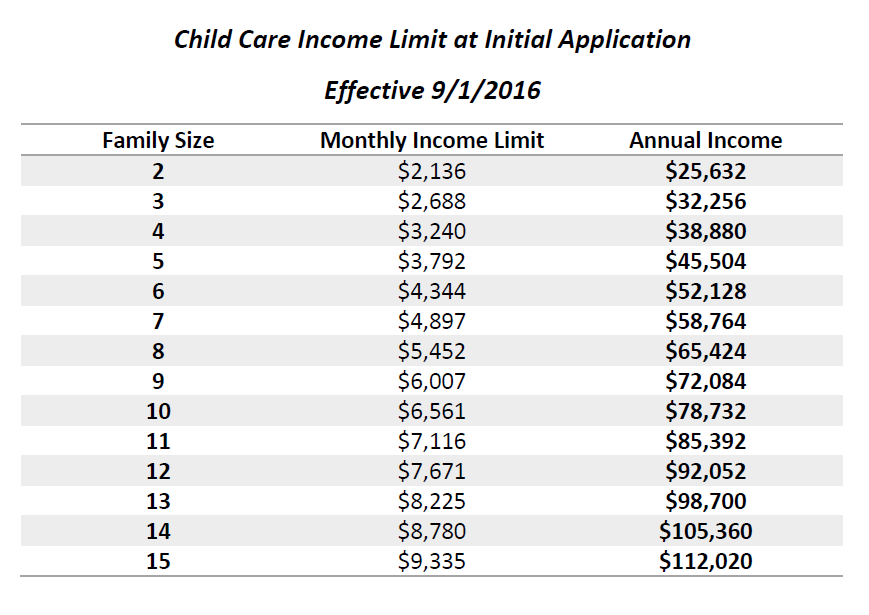
To qualify for child care assistance, low-income families must meet specific criteria set by the program. These criteria typically include income requirements, documentation, and other eligibility factors.
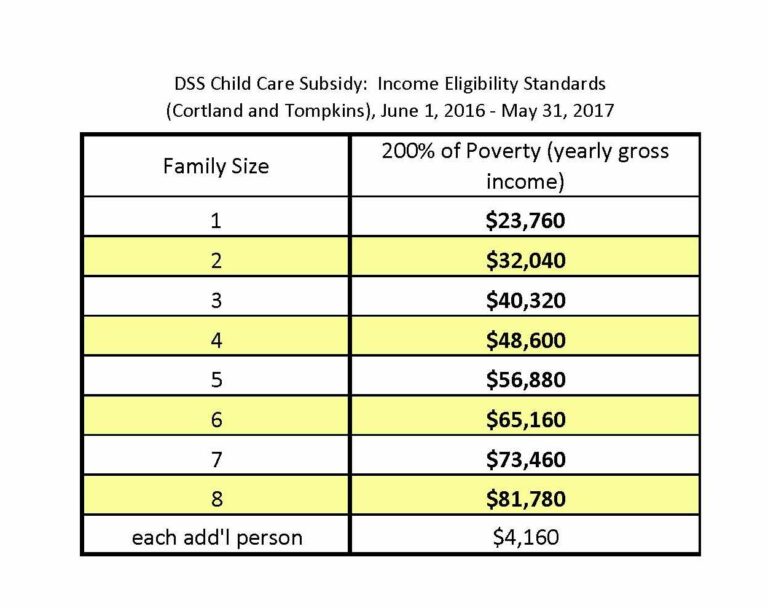
In general, low-income families are defined as those whose income falls below a certain threshold based on the federal poverty level. This threshold varies depending on the size of the family and the specific program. For example, a family of four may need to have an income below 200% of the federal poverty level to qualify for child care assistance.
When applying for child care assistance, families are typically required to provide documentation to verify their income, family size, and other eligibility factors. This documentation may include pay stubs, tax returns, birth certificates, and proof of residency. It is important to have all the necessary documents ready when applying to ensure a smooth process.
Different child care assistance programs may have specific eligibility criteria in addition to income requirements. For example, some programs may prioritize families with children under a certain age or families facing particular challenges such as homelessness or domestic violence. It is important to review the specific eligibility criteria of the program you are applying for to determine if you qualify.
When it comes to applying for child care assistance, there are specific steps that need to be followed to ensure a successful application submission. Social workers or case managers play a crucial role in assisting families through the application process, providing guidance and support along the way.
Here are some tips to help you navigate the application process smoothly:
Reach out to a social worker or case manager at your local child care assistance office to begin the application process. They will provide you with the necessary forms and guidance on how to complete them accurately.
Fill out the application form carefully, ensuring all information provided is accurate and up-to-date. Double-check the form before submitting to avoid any delays in processing.
Once you have completed the application form and gathered all required documents, submit them to the child care assistance program either in person or by mail. Make sure to keep copies of all documents for your records.
After submitting your application, follow up with the child care assistance program to inquire about the status of your application. Be prepared to provide any additional information or documentation if requested.
Once your application has been approved, you will receive notification from the child care assistance program. You can then proceed with enrolling your child in the approved child care facility.
Child care assistance for low-income families offers a range of benefits that positively impact both children and their families. Let’s explore how this support can make a difference in their lives.
Child care assistance plays a crucial role in promoting children’s development. By providing access to quality early childhood education and care, children can enhance their cognitive, social, and emotional skills. This early learning experience sets a strong foundation for their future academic and personal success.
Child care assistance offers significant financial relief for low-income families. The cost of child care can be a significant burden for families struggling to make ends meet. With assistance programs in place, parents can access affordable or even free child care services, allowing them to work or pursue education opportunities without worrying about the high costs of childcare.
Many families have experienced positive outcomes from child care assistance programs. For example, parents have been able to secure stable employment knowing that their children are in safe and nurturing environments. Children, on the other hand, have shown improvements in their academic performance and social interactions due to the quality care they receive.
These success stories highlight the tangible benefits that child care assistance can bring to low-income families.
Low-income families often encounter various barriers when trying to access child care assistance programs. These challenges can significantly impact their ability to secure affordable and quality care for their children.
The limited availability of child care programs in many areas can pose a significant challenge for low-income families. This shortage can result in long waitlists, making it difficult for families to access the care they need in a timely manner.
Additionally, the lack of options can limit the quality of care available to these families.
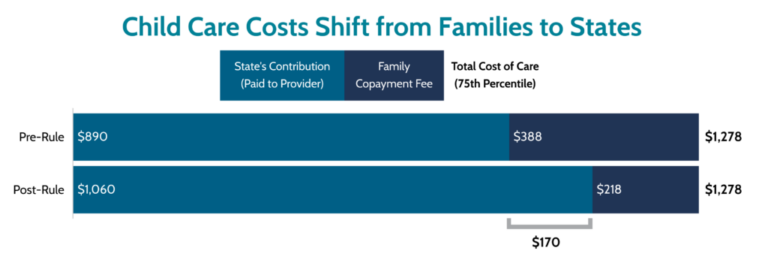
Financial barriers, such as high costs associated with child care services, can also prevent low-income families from accessing the assistance they need. Even with subsidies or financial aid, the out-of-pocket expenses can still be too high for many families to afford, forcing them to seek alternative, often less desirable, options.
Transportation can be a significant barrier for low-income families trying to access child care assistance. Limited access to reliable transportation can make it challenging for parents to drop off and pick up their children from care facilities, especially if they are located far from their homes or workplaces.
Low-income families may struggle to navigate the complex process of applying for child care assistance due to a lack of information and support. Understanding eligibility criteria, completing application forms, and gathering necessary documentation can be overwhelming for families who may already be facing multiple challenges.
What are the income requirements for low-income families to qualify for child care assistance?
Income requirements vary depending on the program, but generally, families must fall below a certain income threshold to qualify for assistance.
What types of government-funded child care programs are available for low-income families?
Government-funded programs include Head Start, Child Care and Development Block Grant, and Temporary Assistance for Needy Families (TANF).
How can families prove their eligibility for child care assistance?
Families may need to provide proof of income, residency, employment status, and other documentation to apply for child care assistance.
What are some benefits of child care assistance for low-income families?
Child care assistance can provide financial relief, support children’s development, and offer stability for families in need.
What are some common challenges faced by low-income families in accessing child care assistance?
Barriers include limited availability of programs, lack of transportation, and complex application processes that can make it difficult for families to access support.