How to Appeal a Denied Child Care Assistance Application: A Comprehensive Guide
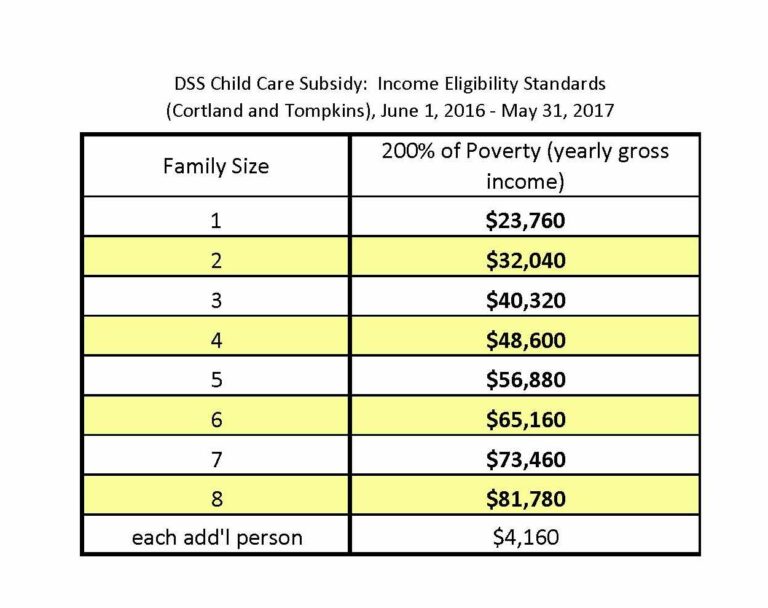
When applying for child care assistance, it’s important to be aware of the common reasons why applications may be denied. Understanding these reasons can help you prepare a stronger application and increase your chances of approval.
Denial letters from child care assistance programs typically Artikel the reasons for the denial. It’s crucial to carefully review these letters to understand why your application was rejected. This information can help you address any issues and reapply successfully in the future.
Upon receiving a denial for your child care assistance application, you have the right to appeal the decision. The formal process for appealing a denial involves specific steps that need to be followed to present your case effectively.
Before initiating the appeal process, carefully review the denial letter you received. Understand the reasons provided for the denial and gather any supporting documents that can help refute those reasons.
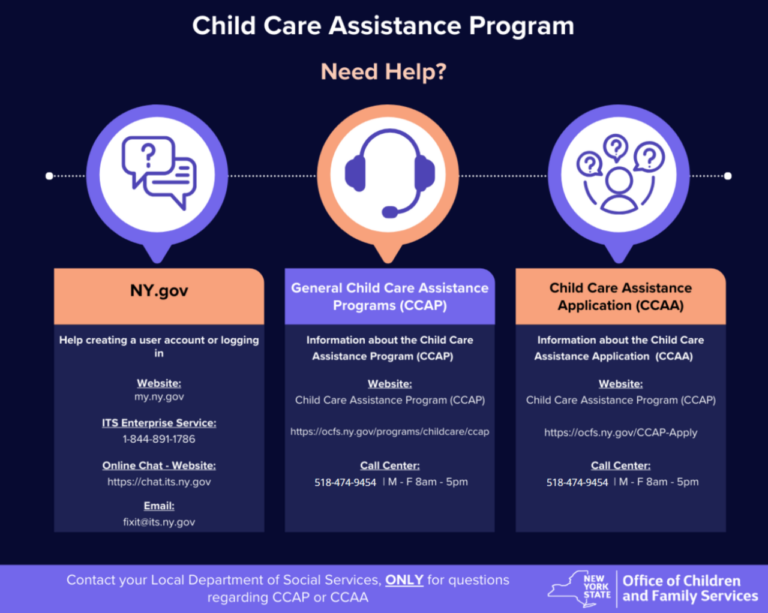
Reach out to the Child Care Assistance Office to inform them of your intention to appeal. They will provide you with the necessary forms and instructions to proceed with the appeal process.
Fill out the appeal form accurately, providing detailed information regarding your case. Include any relevant documentation that supports your appeal, such as income statements, work schedules, or any other pertinent information.
Once your appeal is submitted, you may be required to attend an appeal hearing. Prepare your case thoroughly by organizing your documents, writing down key points you want to address, and practicing your presentation.
On the scheduled date, attend the appeal hearing with all your prepared documents and arguments. Present your case clearly and concisely, addressing the reasons for the denial and providing evidence to support your appeal.
After the appeal hearing, the administrative law judge will review the information presented and make a decision. Be patient as the process may take some time, and await the final decision regarding your child care assistance application.
If the appeal is successful, you will receive notification of the approval of your child care assistance. If the appeal is denied, consider further options or follow-ups that may be available to you.
When appealing a denied child care assistance application, providing strong supporting documentation and evidence is crucial to prove eligibility and increase the chances of a successful appeal. Clear and organized documentation can help demonstrate your need for assistance and address any concerns raised during the initial application review.
Presenting clear and organized documentation is essential to ensure that your appeal is properly reviewed and considered. By providing detailed evidence that supports your eligibility for child care assistance, you can address any concerns raised by the reviewing authority and strengthen your case for approval.
Clear documentation also helps demonstrate your commitment to following the program guidelines and responsibilities, which can positively influence the appeal decision.

Effective communication with agency representatives is crucial during the appeal process to ensure your case is properly understood and considered. Here are some tips for navigating this process smoothly:
What are some common reasons for child care assistance denials?
Child care assistance applications are often denied due to insufficient documentation, income thresholds being exceeded, or discrepancies in the information provided.
How can I prepare for an appeal hearing?
Preparing for an appeal hearing involves gathering all relevant documents, organizing your case coherently, and practicing how to present your arguments effectively.
Is there a deadline for submitting an appeal?
Typically, there is a specific timeline for submitting an appeal after receiving a denial letter. It is crucial to adhere to these deadlines to ensure your appeal is considered.
What types of documentation can strengthen an appeal?
Documentation such as pay stubs, tax returns, and proof of expenses can strengthen an appeal by providing concrete evidence of your financial situation and need for assistance.
How should I communicate with agency representatives during the appeal process?
It is essential to maintain a respectful and professional demeanor when interacting with agency representatives, clearly articulating your concerns and providing any additional information they may require.