State vs Federal Child Care Assistance: What Parents Need to Know
When it comes to child care assistance, both state and federal programs play a crucial role in supporting families. Understanding the difference between the two can help parents navigate the system more effectively.
State child care assistance programs are administered at the state level and may vary in eligibility criteria and benefits depending on where you live. Generally, to qualify for state child care assistance, families must meet income requirements and have a need for child care services.
Federal child care assistance programs, such as the Child Care and Development Block Grant (CCDBG), provide funding to states to support low-income families with child care services. While states have the flexibility to implement these programs, they must adhere to federal guidelines.
State child care assistance programs play a crucial role in supporting families who need help with child care costs. These programs vary from state to state, offering different benefits and limitations to eligible families.
Federal child care assistance programs play a crucial role in supporting families in accessing affordable and quality child care services. These programs work in conjunction with state initiatives to provide a comprehensive support system for parents in need.
Federal child care assistance programs complement state initiatives by providing additional funding, resources, and guidelines to ensure that all families, regardless of their location, have access to affordable child care services. By working together, federal and state programs can create a more comprehensive and inclusive support system for families in need.
Federal regulations play a crucial role in standardizing and improving the quality of child care services across the country. By setting guidelines and requirements for providers participating in federal programs, these regulations help ensure the safety, wellbeing, and development of children in care.
Additionally, federal regulations help to promote accountability and transparency in the child care system, ultimately benefiting families and children.
When it comes to child care assistance, both state and federal programs offer financial support to eligible families to help cover the costs of child care. These subsidies play a crucial role in ensuring that parents can access quality child care services without facing financial strain.
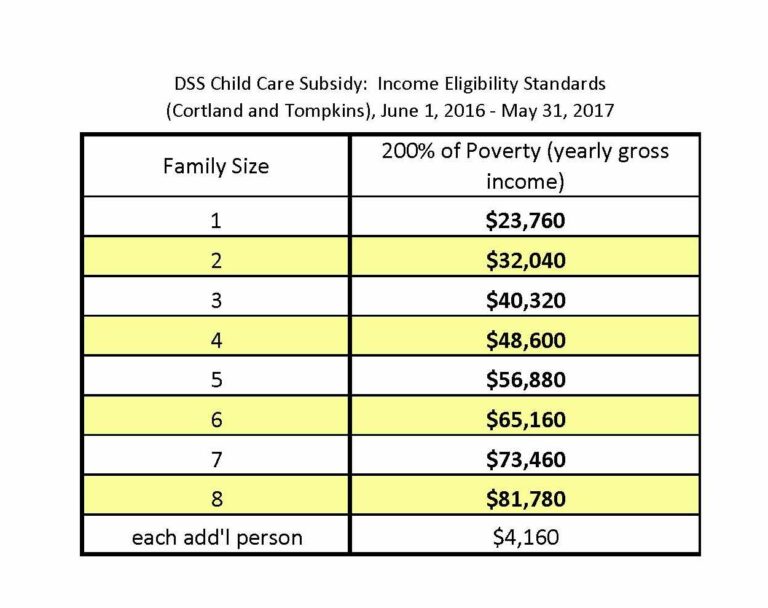
State child care assistance programs typically offer subsidies to low-income families based on specific income thresholds. These thresholds vary from state to state, so it’s important for parents to check with their state’s program to determine if they qualify for assistance.
Federal child care assistance programs, such as the Child Care and Development Fund (CCDF), also provide financial support to eligible families. These programs work in conjunction with state programs to ensure that families in need receive the assistance they require.
Income thresholds for qualifying for child care assistance differ based on the program and the state. Generally, families with incomes below a certain percentage of the federal poverty level are eligible for subsidies. However, these thresholds can vary, so it’s essential for parents to verify the specific income requirements with their state or federal program.
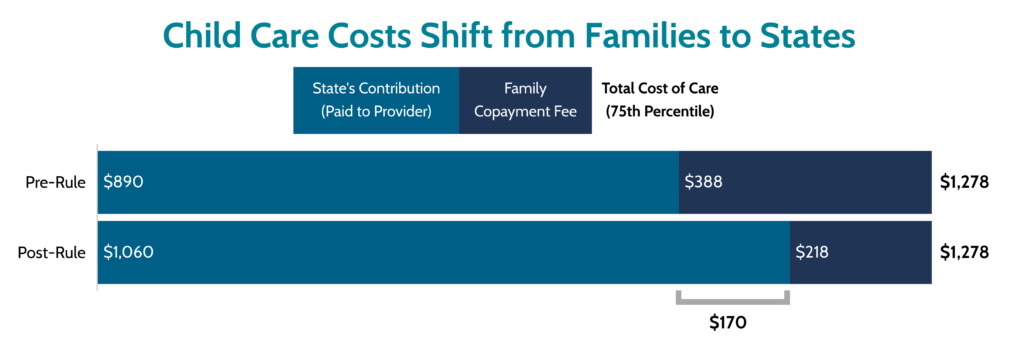
Subsidies are typically calculated based on factors such as family income, family size, and the cost of child care in the area. Once eligibility is determined, subsidies are distributed directly to the child care provider on behalf of the family.
This helps reduce the out-of-pocket expenses for parents while ensuring that child care providers receive payment for their services.
What are the main differences between state and federal child care assistance programs?
State programs are run by individual states and may have specific eligibility criteria, while federal programs are nationally funded and regulated.
How do income thresholds impact eligibility for child care assistance?
Income thresholds vary between state and federal programs, with some offering assistance to low-income families based on specific criteria.
Can families benefit from both state and federal child care assistance simultaneously?
Yes, families may be eligible for assistance from both sources, depending on their circumstances and the programs available in their state.