Delving into Coparenting and Child Care Assistance Who Claims the Subsidy
Coparenting in the context of child care refers to the shared responsibility and cooperation between parents in raising their children, even if they are no longer together as a couple. It involves effective communication, mutual respect, and working together to make decisions that benefit the well-being of the child.
Child care assistance subsidies are financial aid programs intended to help families cover the costs of child care services. These subsidies are typically claimed by low-income families who need support in accessing quality child care for their children while parents are working or attending school.
Coparenting and child care assistance are essential for families as they contribute to the overall well-being of children and the stability of the family unit.
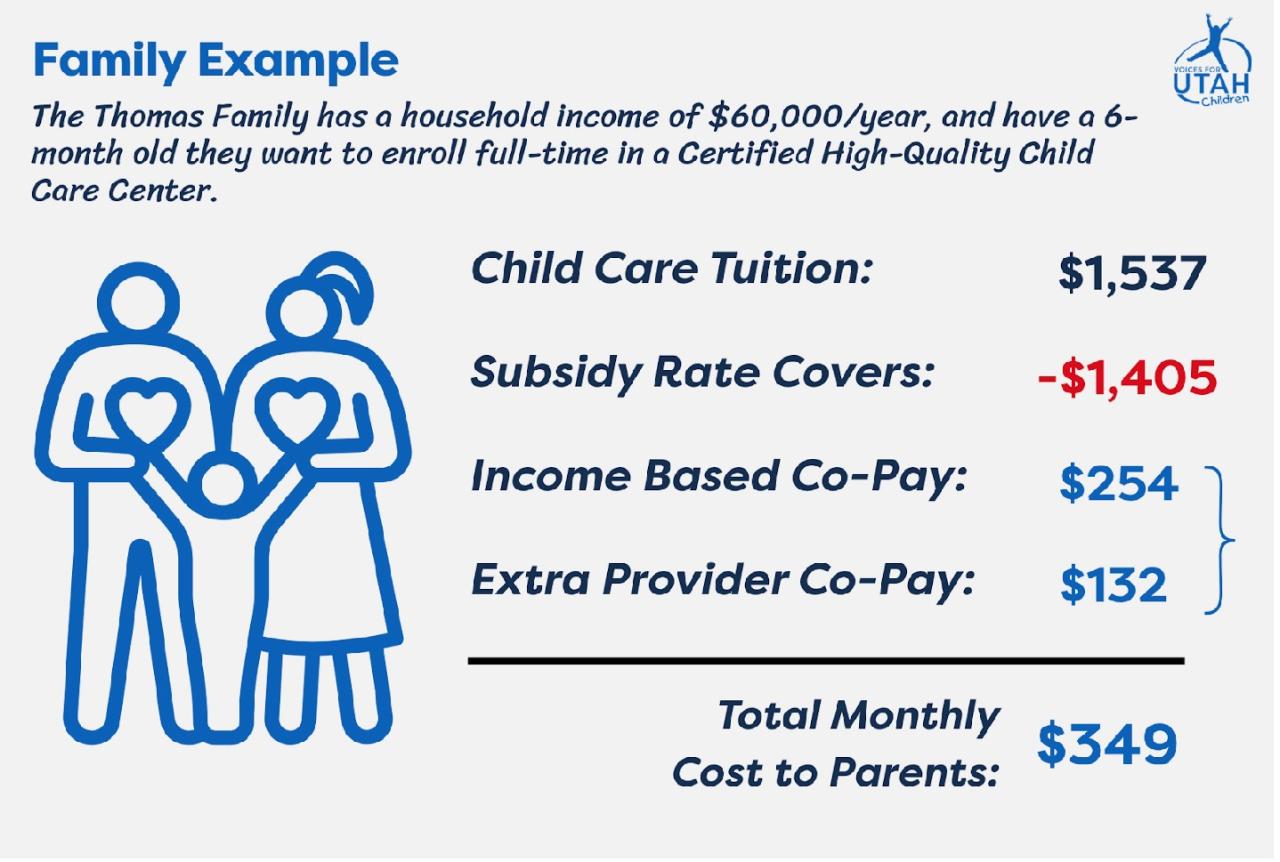
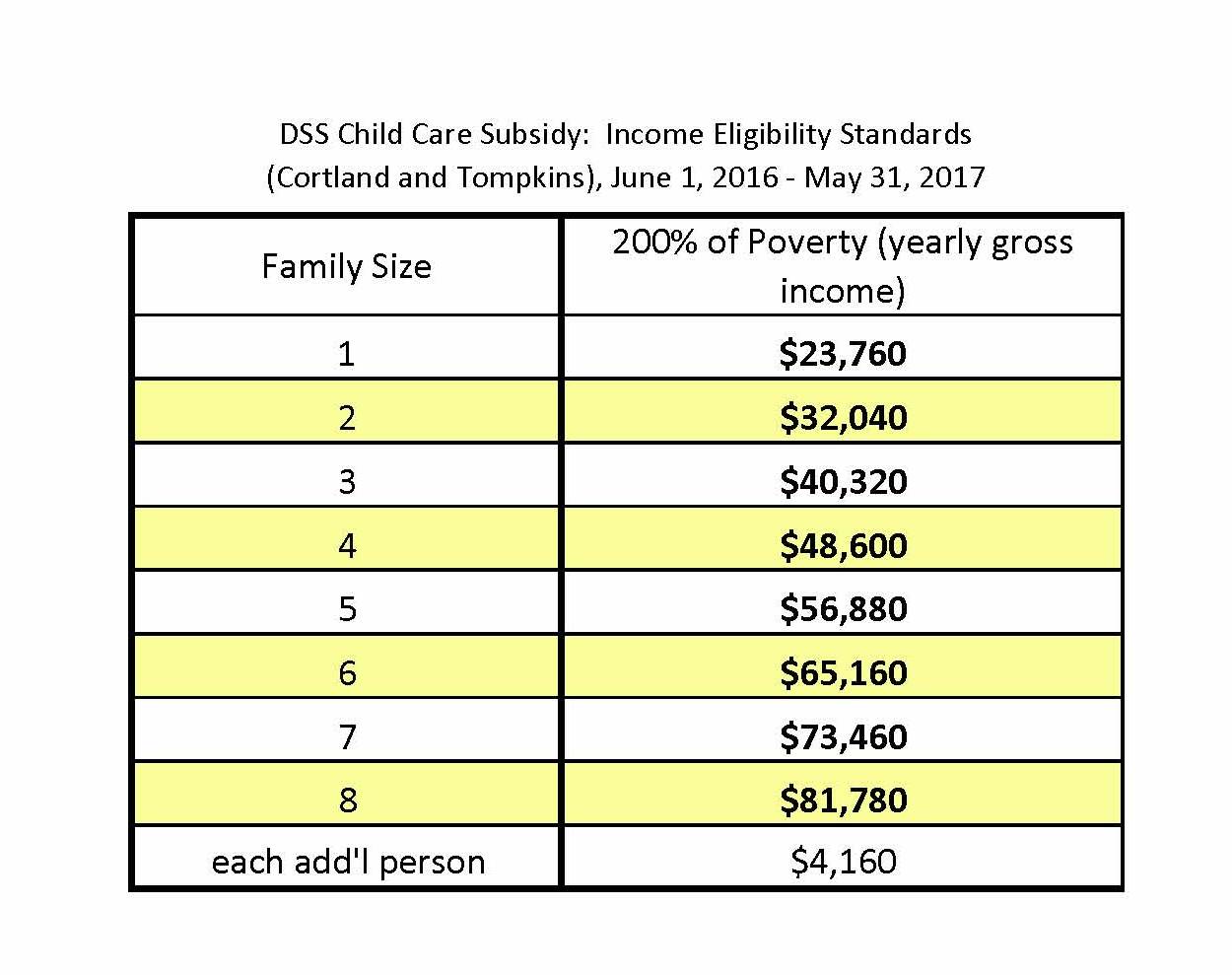
Child care assistance subsidies are available to help families cover the cost of child care, but eligibility criteria must be met to qualify for this support.

Coparenting can offer several benefits when claiming child care assistance subsidies. It allows both parents to share the financial responsibility of child care, making it more affordable for both parties. Additionally, coparenting can provide emotional support and create a more stable environment for the child.
One successful coparenting arrangement involved a shared custody agreement where both parents contributed equally to child care costs, ensuring financial stability for the child.
Another example is coparents working together to apply for and utilize child care subsidies, allowing them to provide quality care for their child while managing costs effectively.
When coparents are claiming child care assistance, there are legal and financial considerations that need to be taken into account to ensure a smooth and fair process for both parties.It’s important to note that claiming subsidies for child care can have legal implications, as coparents need to adhere to the rules and regulations set by the government or relevant authorities.
Any discrepancies or violations in claiming subsidies can lead to legal consequences, so it’s crucial to be informed and compliant.In terms of financial responsibilities, coparents typically divide the costs of child care based on their income levels and financial capabilities.
This can vary depending on the agreement between the coparents, but it’s essential to have open communication and transparency when discussing financial matters related to child care.To navigate the financial aspects of coparenting and claiming subsidies effectively, here are some tips:
It’s important for coparents to have a clear and detailed financial agreement in place, outlining how child care expenses will be divided and managed. This can help prevent misunderstandings or conflicts in the future.
Maintaining accurate records of child care expenses can be beneficial for coparents when claiming subsidies or determining each party’s financial contribution. This can also help in case of any disputes or discrepancies.
If coparents encounter legal issues or challenges related to claiming subsidies or dividing financial responsibilities, it’s advisable to seek legal advice from a professional. Legal guidance can help ensure that coparents are following the necessary procedures and guidelines.
Effective communication is key in coparenting, especially when it comes to financial matters. Coparents should communicate openly, honestly, and respectfully when discussing child care expenses and subsidy claims to maintain a harmonious coparenting relationship.
Who is typically eligible to claim child care assistance subsidies?
Usually, the parent with primary custody of the child claims the subsidy, but this can vary based on individual circumstances.
What are some common challenges faced by coparents in accessing these subsidies?
Challenges may include coordinating schedules, communication issues, and differing financial contributions towards child care.
Are there any legal obligations for coparents when claiming child care assistance?
Legal obligations can vary depending on custody agreements and state laws, so it’s essential to consult with a legal professional.