
2026 Exhaust Modification Laws in the US and Australia: What You Need to Know Before Tuning
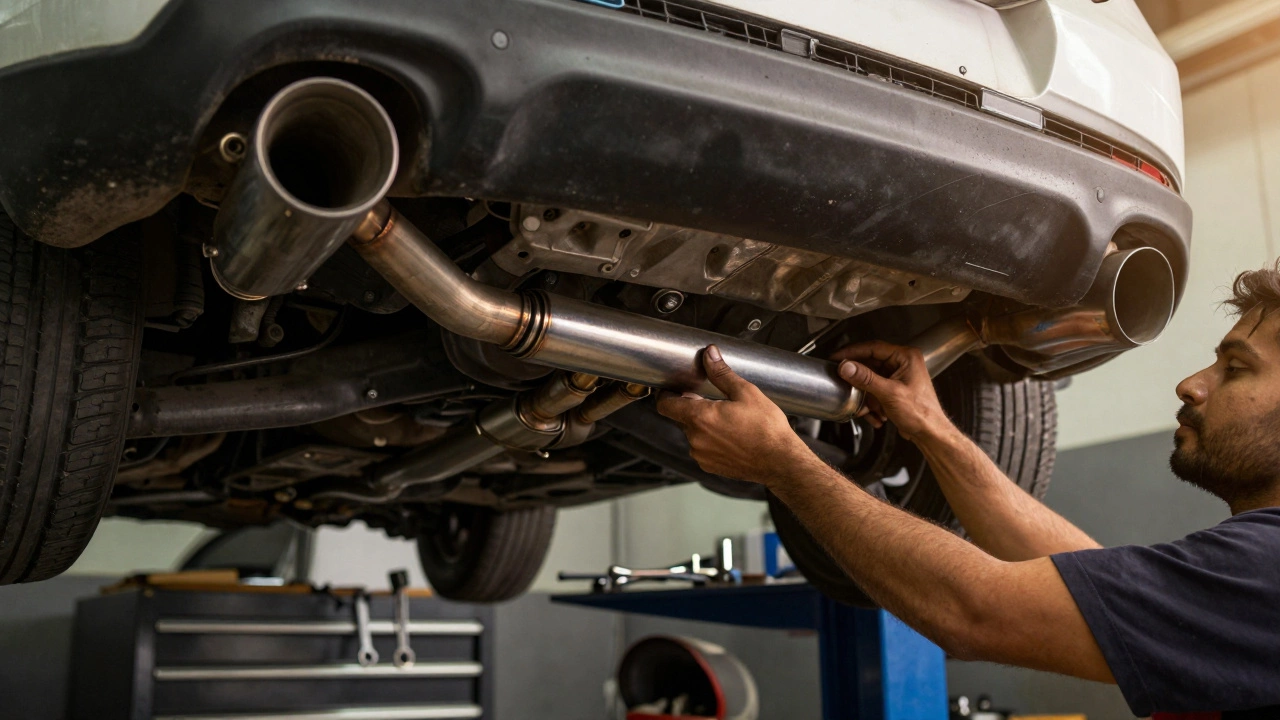
Exhaust modification laws in the US and Australia dictate the regulations surrounding alterations made to a vehicle’s exhaust system. These laws are in place to ensure environmental protection, noise control, and vehicle safety.
Examples of modifications that are typically illegal in both countries include:
Violating exhaust modification laws can lead to severe consequences, including fines, penalties, and even legal action. It is essential to understand the potential repercussions of non-compliance to avoid any issues with the law.
When it comes to modifying your exhaust system, it’s important to ensure that you stay within legal limits to avoid penalties or fines. Here are some permissible modifications that comply with the laws and how you can ensure your modifications are legal:
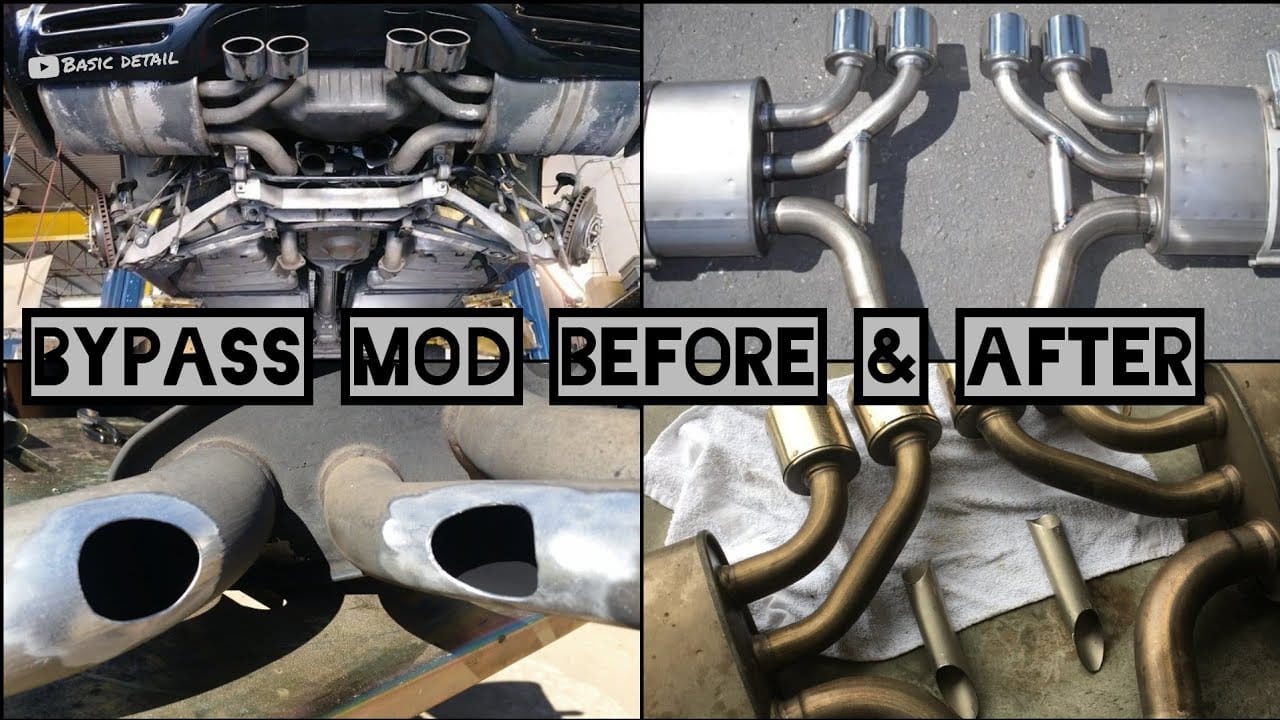
When it comes to exhaust modifications, there are significant impacts on both a vehicle’s performance and emissions. Let’s delve into how these alterations can affect your car.
Modifying your exhaust system can have a direct impact on your vehicle’s performance. By increasing the airflow efficiency, aftermarket exhaust systems can help your engine breathe better, resulting in improved horsepower and torque. This enhanced performance can lead to faster acceleration and overall better driving experience.
On the flip side, aftermarket exhaust systems can also have environmental implications. While these modifications may increase performance, they can also lead to higher emissions of harmful pollutants such as nitrogen oxides (NOx) and carbon monoxide (CO). This can contribute to air pollution and have negative effects on public health and the environment.
Modified exhaust systems can pose challenges when it comes to emissions testing. Since these systems alter the original emissions control mechanisms, they may not meet the standards set by regulatory authorities. This can result in a failed emissions test, leading to penalties and potential restrictions on driving the vehicle.
It’s essential to understand the legal limits of exhaust modifications to ensure compliance with emissions regulations.
As we look ahead to 2026, it is important to consider how exhaust modification laws may evolve in the US and Australia. Several factors could drive changes in legislation, including technological advancements and a growing focus on environmental sustainability.
Emerging technologies such as electric vehicles and hybrid systems are likely to influence future exhaust system regulations. As these cleaner and more efficient technologies become more prevalent on the roads, lawmakers may introduce stricter regulations to ensure that traditional combustion engine vehicles meet higher emission standards.
Advancements in smart technology and vehicle monitoring systems could play a role in shaping future exhaust system regulations. Integrated sensors and monitoring devices may allow authorities to more effectively detect and penalize non-compliant vehicles on the road.
What are the common penalties for non-compliance with exhaust modification laws?
Common penalties include fines, vehicle impoundment, and potential legal consequences depending on the severity of the violation.
How can individuals ensure their exhaust modifications comply with the law?
Individuals can consult with certified mechanics or automotive professionals to ensure their modifications adhere to legal limits and regulations.
Are there specific aftermarket parts or modifications that are approved for use in exhaust systems?
Yes, there are aftermarket parts that are certified for use in exhaust systems, ensuring compliance with legal regulations.