International vs Domestic Open Adoption Which is Right for You
When considering adoption, one of the key decisions to make is whether to pursue an international or domestic open adoption. Here, we will explore the differences between the two options, including legal aspects and cultural considerations.
International open adoption involves adopting a child from another country, where the birth parents and adoptive parents have the opportunity to have contact and share information. On the other hand, domestic open adoption occurs within the same country, with similar opportunities for contact and information sharing between birth and adoptive families.
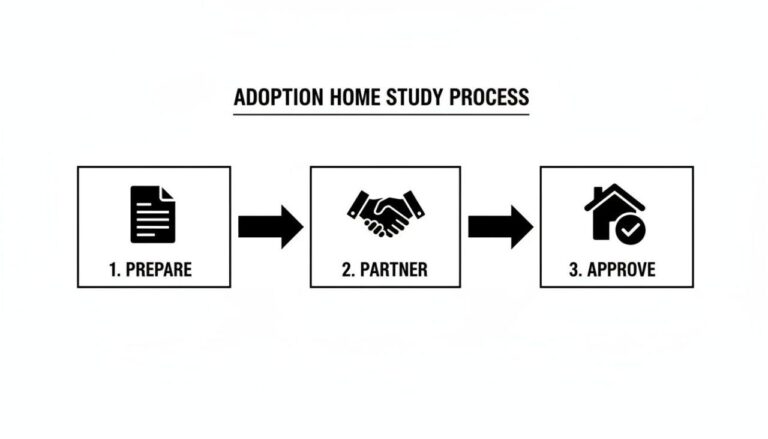
In international open adoption, adoptive parents must comply with the laws and regulations of both the sending and receiving countries, which can vary significantly. This can involve lengthy paperwork, home studies, and other legal requirements. In domestic open adoption, the legal process is typically more straightforward, as it is governed by the laws of a single country.

When prospective adoptive parents are deciding between international and domestic open adoption, there are several important factors to consider. From financial implications to emotional aspects, making this decision requires careful thought and consideration.
One family shared their experience of choosing international adoption because they felt a strong connection to a specific country’s culture and wanted to honor that heritage in their family.
Another family chose domestic adoption because they wanted to build a relationship with the birth mother and be involved in their child’s life from the beginning.
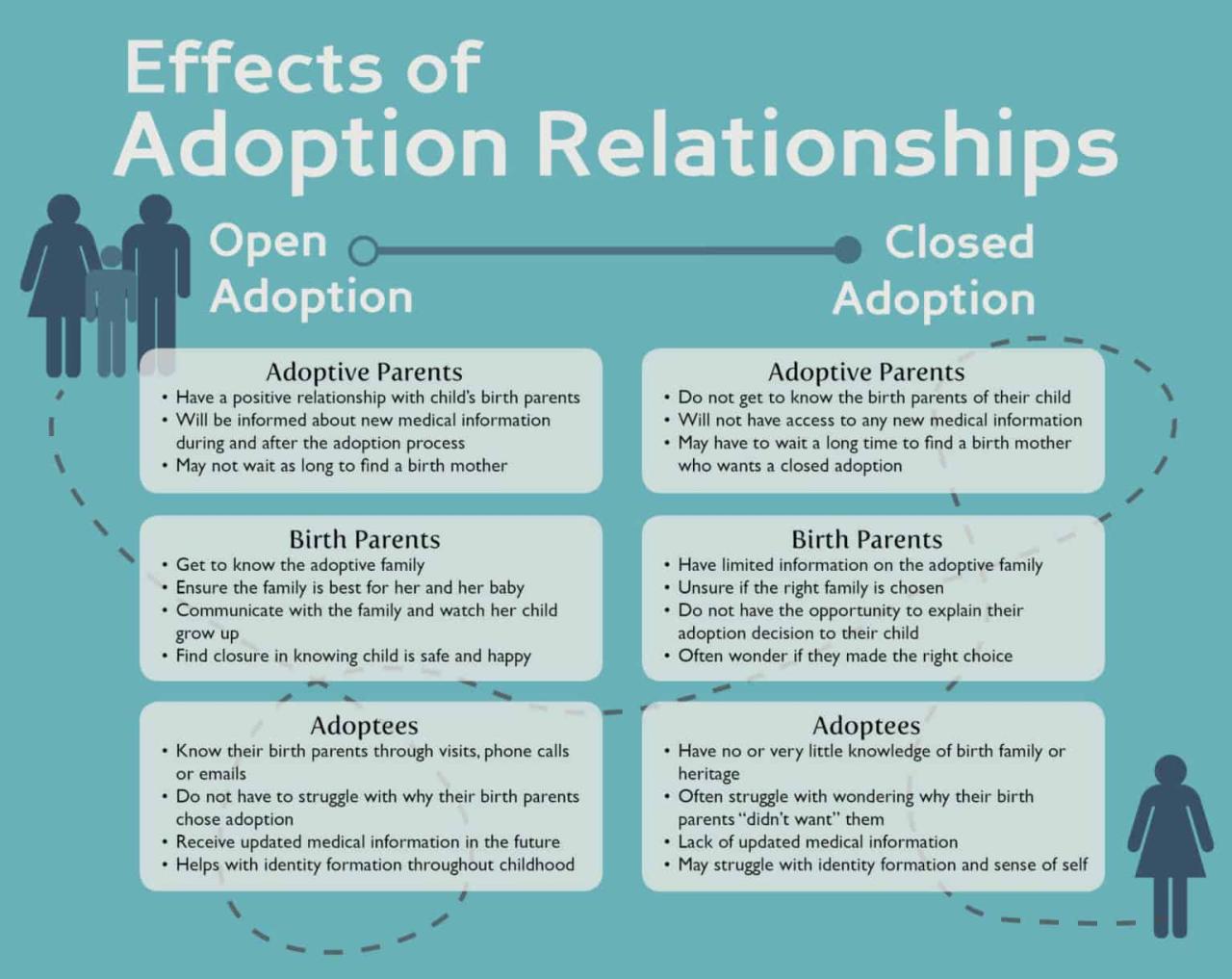
Adopting a child internationally or domestically can have a significant impact on their well-being and development. It is crucial to consider the implications of this decision on the child’s life.
Maintaining cultural connections is essential for children adopted internationally. It helps them develop a strong sense of identity and belonging. Adoptive parents should actively engage in cultural activities, traditions, and language learning to support the child’s connection to their heritage.
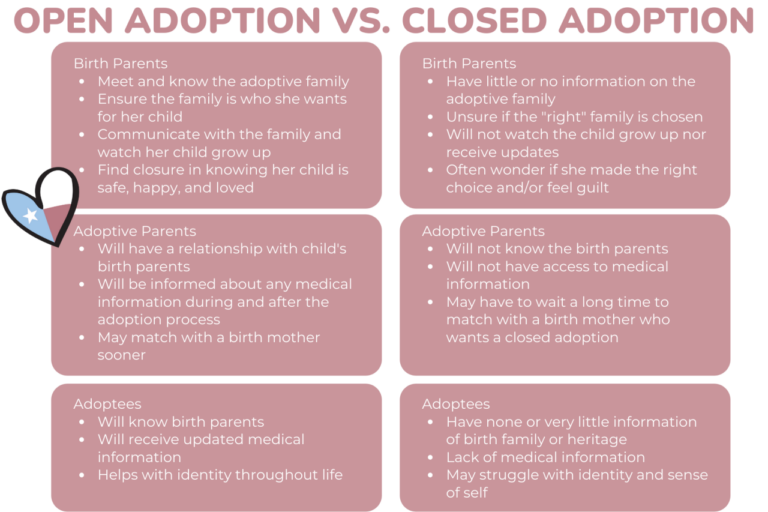
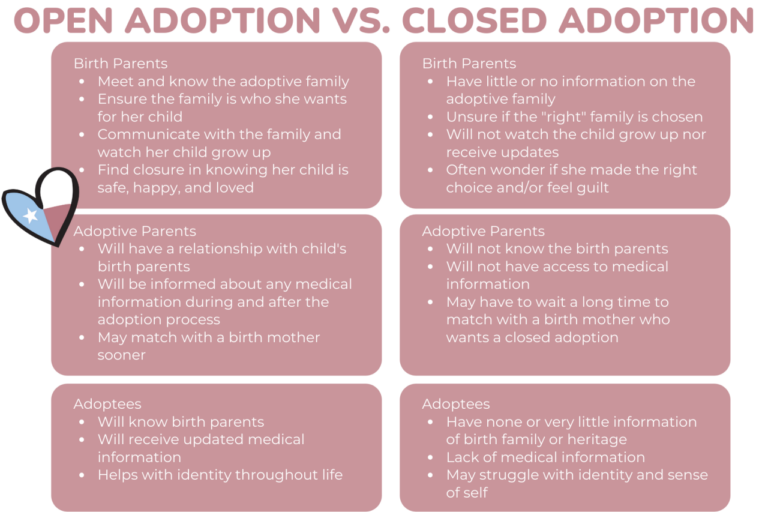
In both international and domestic open adoptions, children may face challenges related to identity formation, attachment issues, and understanding their adoption story. However, open adoption relationships also offer benefits such as access to birth family information, increased emotional support, and a sense of belonging to multiple families.
It is important for adoptive parents to navigate these relationships with openness, honesty, and empathy.
To support a child through the process of international or domestic open adoption, adoptive parents should prioritize communication, validation of feelings, and access to mental health resources. Building a strong support network, including other adoptive families and professionals, can also help children navigate the complexities of adoption and develop resilience.
When considering international or domestic open adoption, families have access to various support services and resources to guide them through the process and provide assistance along the way.
International adoption agencies often provide cultural training and support for families to help them understand and embrace the child’s heritage. On the other hand, domestic adoption agencies may offer more local resources and connections for families looking to adopt within their own country.
Research reputable agencies by checking their accreditation, reviews, and success stories. Reach out to other adoptive families for recommendations and insights.
What are the key differences between international and domestic open adoption?
International open adoption involves adopting a child from another country, while domestic open adoption occurs within the same country. Legal procedures, cultural considerations, and financial aspects vary between the two options.
How can prospective adoptive parents decide between international and domestic open adoption?
Prospective adoptive parents should consider factors such as legal requirements, cultural connections, financial implications, and emotional readiness when choosing between international and domestic open adoption. Seeking guidance from adoption agencies and support groups can also provide valuable insights.
What is the impact on a child of being adopted internationally versus domestically?
Children adopted internationally may face challenges in maintaining cultural connections, while those adopted domestically may have more immediate access to their birth culture. It’s important to support the child in understanding their adoption journey and embracing their cultural identity.
What support services are available for families considering international or domestic open adoption?
Families exploring international or domestic open adoption can access support services such as counseling, legal assistance, and community resources. These services aim to guide families through the adoption process and provide emotional support during the journey.