
The Rising Cost of EV Conversions in 2026: Turning Classic Sports Cars into Electric Powerhouses
Electric Vehicle (EV) conversions involve the process of transforming classic sports cars into electric vehicles by replacing their traditional internal combustion engines with electric motors and batteries. This conversion allows these iconic vehicles to run on clean energy, reducing emissions and contributing to a more sustainable future.
EV conversions have been gaining popularity in recent years as more car enthusiasts and environmental advocates are looking for ways to combine classic car aesthetics with modern electric technology. This trend is not only driven by the desire to preserve classic cars but also by the increasing focus on reducing carbon footprints and embracing renewable energy sources in the automotive industry.
The increasing cost of EV conversions in 2026 can be attributed to several key factors that are shaping the market dynamics and pricing of conversion parts.
With the rapid advancements in electric vehicle technology, the demand for high-performance electric components has surged. These cutting-edge components, such as high-capacity batteries, advanced electric motors, and sophisticated power electronics, are essential for converting classic sports cars into electric powerhouses.
As a result, the cost of these advanced components has escalated, contributing to the overall rise in conversion costs.
Supply chain disruptions and inflation have also played a significant role in driving up the cost of EV conversions in 2026. The global supply chain has been strained due to various factors such as the ongoing pandemic, geopolitical tensions, and natural disasters.
These disruptions have led to shortages of key components, increased transportation costs, and delays in production, all of which have pushed up the prices of conversion parts. Additionally, inflationary pressures have further exacerbated the situation, making it more expensive to source the necessary components for EV conversions.
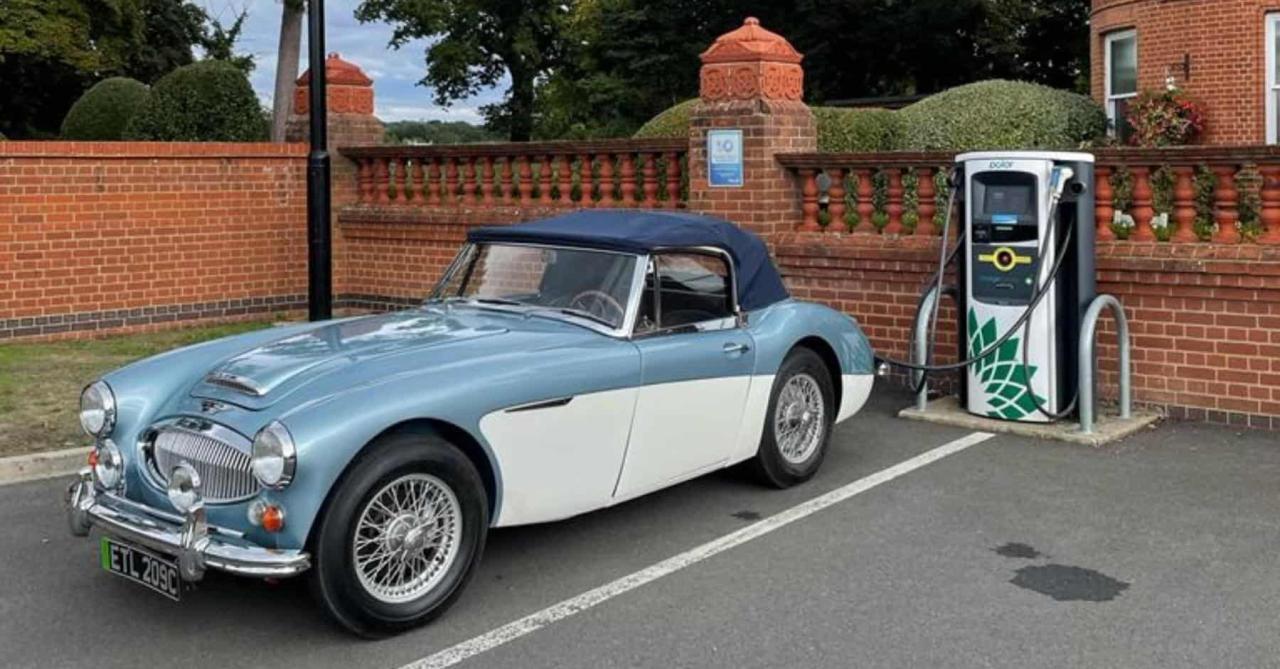
Converting a classic sports car into an electric powerhouse involves a detailed cost breakdown that includes expenses for sourcing batteries, motors, controllers, and other essential components. Let’s explore the cost implications of DIY conversions versus professional conversion services.
Electric vehicle enthusiasts may encounter several challenges when attempting to convert classic sports cars into electric vehicles. The complexities of integrating modern electric systems into vintage car chassis, along with legal and regulatory hurdles, can present significant obstacles in the conversion process.
One of the main challenges enthusiasts face is integrating modern electric systems into vintage car chassis. Classic sports cars were not designed to accommodate electric components, so fitting batteries, motors, and other necessary parts can be a complicated and time-consuming process.
Ensuring that these systems work seamlessly together while maintaining the integrity and aesthetics of the original vehicle poses a significant challenge.
Another major challenge is navigating the legal and regulatory landscape associated with EV conversions. Enthusiasts must ensure that their converted vehicles comply with emissions standards, safety regulations, and other requirements set forth by governing bodies. Meeting these standards can be a complex and costly endeavor, as modifications to the vehicle may be necessary to achieve compliance.
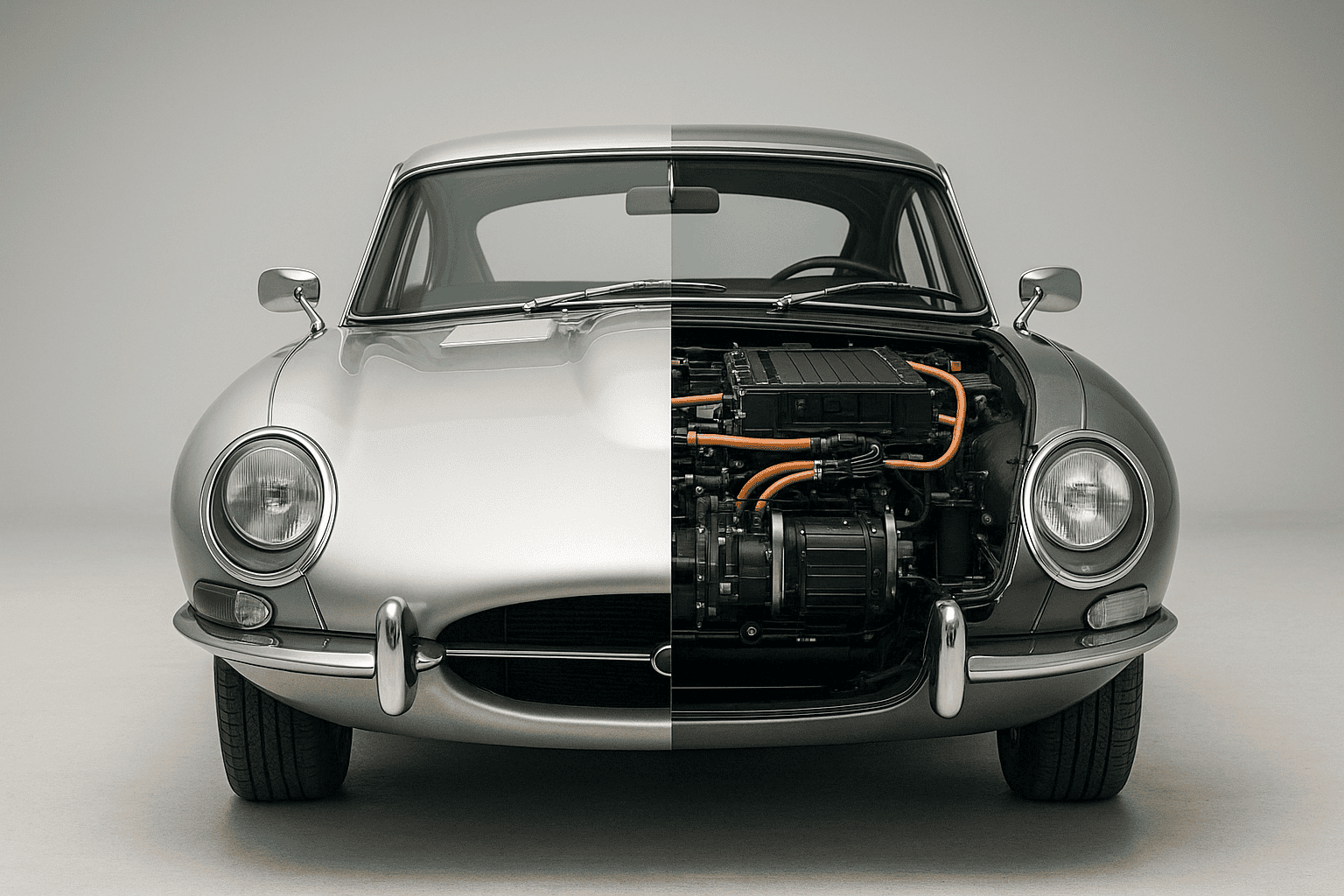
Electric Vehicle (EV) conversions of classic sports cars offer a blend of sustainability and performance benefits that are reshaping the automotive industry. By repurposing these iconic vehicles with electric powertrains, enthusiasts can enjoy a greener driving experience without compromising on speed or power.
Electric Vehicle conversions offer a compelling alternative to traditional combustion engine vehicles in terms of sustainability. The shift towards electrifying classic sports cars aligns with the global push for eco-friendly transportation solutions, setting a new standard for the future of automotive innovation.
In the coming years, the landscape of EV conversions is set to undergo significant changes as technology advances and market demands evolve.
What are the key factors contributing to the increasing cost of EV conversions in 2026?
The rising cost of EV conversions in 2026 is primarily driven by technological advancements in electric vehicle components, supply chain disruptions, and inflation affecting the pricing of conversion parts.
What challenges do enthusiasts face when converting classic sports cars into electric vehicles?
Enthusiasts may encounter challenges such as integrating modern electric systems into vintage car chassis and navigating legal and regulatory hurdles related to emissions compliance and safety standards.
What sustainability and performance benefits do EV conversions offer?
EV conversions provide environmental benefits by reducing emissions and offer performance enhancements like increased torque and acceleration compared to traditional combustion engine vehicles.